Professional Water Damage Restoration Solutions: What to Expect and How We Can Help
Water damage can disrupt lives and compromise property integrity. Professional restoration solutions are built to tackle these issues in a systematic manner. Beginning with thorough evaluations and extending to efficient water extraction, every phase plays a critical role. Familiarizing yourself with the procedure can bring comfort and a greater sense of confidence. What targeted actions are employed to secure comprehensive drying and ward off potential future concerns? The information uncovered could prove quite revealing.
Understanding What to Expect During Water Damage Restoration
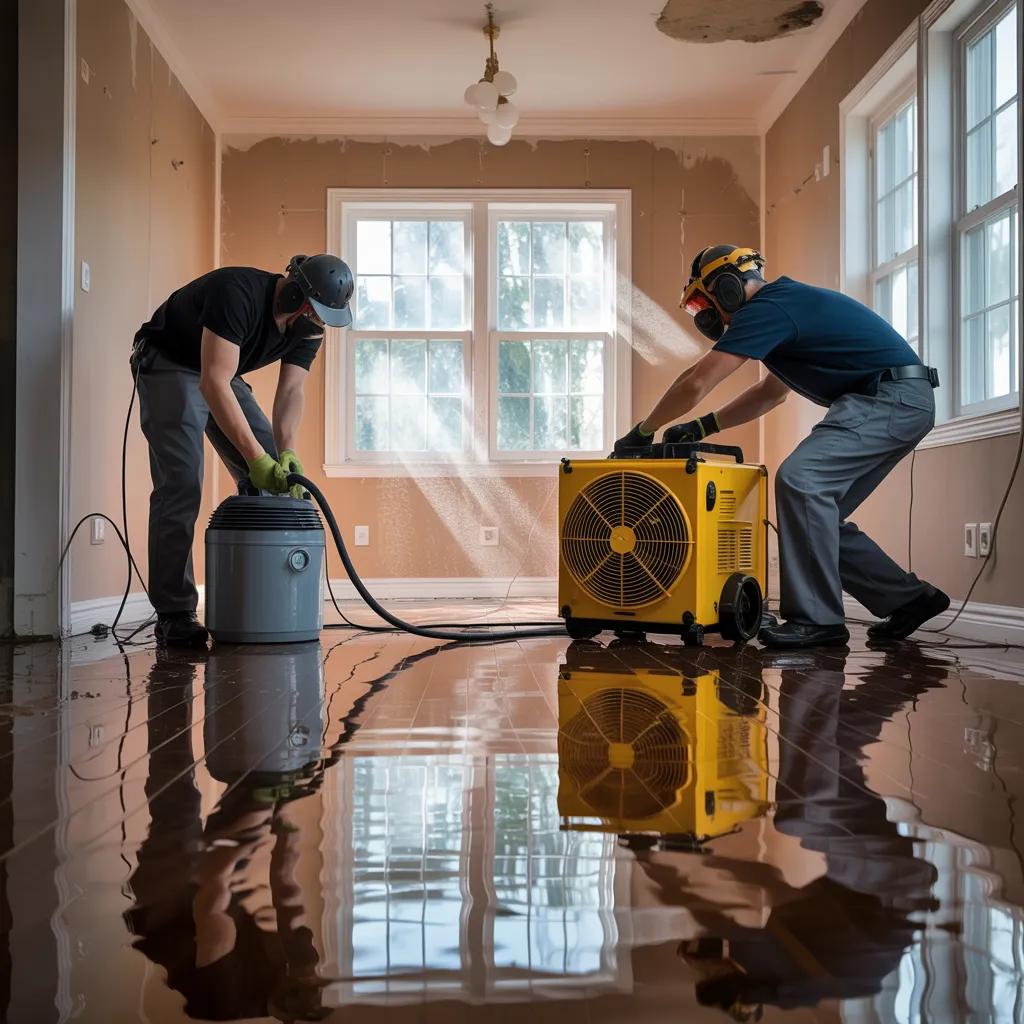
When dealing with water damage restoration, homeowners can expect a systematic method for handling the situation. The process generally starts with the rapid removal of any standing water, utilizing specialized pumps and vacuums to minimize further damage. Following this, specialized equipment such as dehumidifiers and air movers is employed to fully dry the impacted areas, ensuring that moisture does not linger and lead to mold growth.
Next, technicians evaluate the overall structure of the structure, reviewing walls, floors, and ceilings for signs of deterioration. Skilled technicians also concentrate on sanitizing and cleaning the damaged sections, applying specialized products to remove harmful substances. Throughout this phase, clients are continuously briefed about developments and required repairs. By following this systematic approach, the restoration process seeks to return the home to its previous state, providing peace of mind and comfort for those residing within.
Initial Assessment: What Happens First?
How can homeowners secure an effective response to water damage? The first inspection is vital in the restoration process. Upon arrival, specialists carry out a comprehensive inspection to identify the full extent of the damage. They inspect affected areas, including walls, floors, and ceilings, to identify hidden moisture and potential structural issues. Utilizing advanced equipment, such as moisture meters and infrared cameras, technicians can identify water intrusion that may not be apparent to the naked eye.
In addition to evaluating the physical damage, the team evaluates the source of the water, whether it is from a burst pipe, flooding, or other causes. This information helps in devising an effective restoration plan. Residents can anticipate a comprehensive document detailing the assessment results and advised measures. This early inspection lays the basis for all following remediation activities, providing a precise and effective framework for the recovery process.
How We Efficiently Remove Water
Water damage repair depends on sophisticated extraction methods to efficiently eliminate excess water. After the extraction process, extensive drying methods confirm that every trace of moisture is removed, avoiding continued deterioration and mold proliferation. Such techniques are critical for efficiently returning properties to their original state.
Superior Extraction Approaches
Successful water elimination is built upon cutting-edge extraction methods that ensure rapid and thorough drying. Skilled water damage restoration teams employ purpose-built tools, such as industrial vacuums and submersible pumping systems, designed to extract standing water effectively. These tools can quickly extract significant amounts of standing water, minimizing the potential for structural damage and mold growth.
Moreover, skilled specialists assess the impacted zones to determine the most effective extraction method, guaranteeing that water trapped in padding, walls, and carpets is addressed. Infrared cameras can be utilized to detect undetected water pockets, facilitating a detailed extraction process. By utilizing these advanced techniques, recovery specialists significantly minimize drying time, enabling a more successful recovery from flood damage.
Detailed Drying Procedures
Restoration teams utilize meticulous drying techniques to verify that all moisture is eradicated from impacted zones. They use commercial-grade dehumidifiers and air movers to generate ideal airflow, enabling rapid evaporation. This approach ensures that even trapped moisture, frequently hidden in walls and flooring, is addressed. Technicians measure humidity levels consistently, adjusting equipment as needed to sustain efficiency. Furthermore, specialized thermal imaging cameras may be used to locate areas needing extra attention. The drying process generally adheres to a methodical approach, prioritizing the most seriously damaged zones first. By implementing these detailed drying protocols, restoration teams not only stop mold formation but also preserve the overall structure of the property, securing a complete recovery from water damage.
How Drying and Dehumidification Play a Role in Water Damage Restoration
Drying and humidity control are fundamental processes in the restoration of water-damaged structures, as they enable swift elimination of moisture from impacted spaces. This procedure is vital not only for inhibiting the growth of mold but also for safeguarding the structural integrity of structures. Prompt action can significantly minimize long-term damage and associated repair costs.
Value of Fast Drying
Quick drying and dehumidification serve a critical function in reducing the consequences of water damage. When moisture penetrates a property, it rapidly seeps into materials like wood, drywall, and insulation, causing structural deterioration and possible lasting harm. Efficient drying reduces the moisture content, halting further decline and protecting the building's stability. Furthermore, swift dehumidification reduces the likelihood of secondary harm, such as staining and odors, which can occur if materials remain wet too long. This process also enhances the effectiveness of subsequent restoration efforts, guaranteeing a more seamless restoration. In summary, prompt action with drying and dehumidification is essential for returning properties to their original state and maintaining a safe, healthy environment.
Stopping Mold Growth
Although water damage may result in serious structural problems, it also generates favorable conditions for mold growth if not handled in a timely manner. Mold flourishes in moist environments, and any residual moisture from water damage can encourage its development. Effective drying and dehumidification are critical in eliminating this harmful consequence. Skilled restoration specialists use industrial-grade dehumidifiers and air movers to extract residual moisture, ensuring that damaged sections are fully dried. This process not only limits mold development but also reduces the health hazards linked to mold exposure. Quick response, alongside suitable drying procedures, is essential to protect both the indoor air quality and the structural integrity of the building. In the end, mold prevention remains a fundamental aspect of comprehensive water damage restoration.
Safeguarding Structural Integrity
Proper drying and dehumidification serve a critical purpose in preserving the structural integrity of a property damaged by water infiltration. When water infiltrates a building, it can compromise materials including wood, drywall, and insulation. Extended contact with moisture results in warping, rotting, and potential structural failure. Expert restoration teams employ state-of-the-art drying equipment and methods to quickly eliminate excess moisture from impacted areas. This method not only reduces immediate damage but also eliminates long-term concerns including foundation instability. By regulating appropriate humidity levels, dehumidification confirms that materials maintain their strength and durability. In the end, prompt and effective drying is essential for protecting a property's structural framework and strengthening its durability against future water-related occurrences.
Home Restoration After Water Damage
Additionally, structural components often require restoration or renewal, depending on the magnitude of the damage. Electrical systems and plumbing should be inspected to ensure proper function and safety.
Following structural repairs, the focus shifts to visual refinements, encompassing flooring updates and fresh paint. This stage frequently requires meticulous attention to detail to match existing aesthetics. As a final step, it is essential to perform a comprehensive inspection to verify that all repairs comply with safety standards and bring the home back to its condition prior to damage. Proper home repairs play a key role in maintaining both safety and property value.
Top Strategies to Prevent Future Water Damage
To mitigate the chance of water damage in the future, homeowners should implement preventative measures that tackle possible problem areas in their residences. Regularly inspecting gutters and roofs is absolutely necessary; keeping them free from blockages can avoid water buildup and unwanted infiltration. Homeowners should also check for vulnerabilities in their pipe systems, as prompt discovery can minimize substantial repair expenditures. Additionally, maintaining proper drainage around the foundation, including grading and installing downspouts, helps direct water away from the home.
Utilizing sump pump systems in basements can help lower the likelihood of flooding, particularly in regions susceptible to heavy rainfall. Placing water leak detectors can warn homeowners of leaks prior to them worsening. Lastly, strengthening entry points with weatherproof sealing can reduce water intrusion during storms. By implementing these measures, homeowners can greatly reduce the chances of recurring water damage and safeguard their home resource investment.
How to Find the Ideal Restoration Service for Your Situation?
After implementing protective steps to combat water damage, homeowners may find themselves in need of repair services due to unexpected events. Finding the best company calls for thorough evaluation of multiple important elements. As a starting point, examine the firm's track record by reviewing customer feedback and reviews. A well-established provider often reflects trustworthiness and high standards.
Additionally, ensure that the restoration provider is licensed and insured, offering protection against potential liabilities. Consider their background in addressing specific types of water damage, as knowledge can greatly affect the outcome.
Additionally, find out about the variety of services offered, such as mold removal and structural restoration, which can be critical for comprehensive restoration. Fast response times are also crucial; a service that functions around the clock is ideal. Lastly, talk about pricing and gather estimates to ensure transparency and prevent unforeseen expenses. By following these guidelines, homeowners can reach an informed decision that satisfies their individual restoration needs.
Answers to Your Most Common Questions
How Long Does the Entire Restoration Process Usually Take?
The complete restoration process generally takes anywhere from a few days to several weeks, based on how extensive the damage is, the type of materials affected, and the overall efficiency of the restoration team.
Will My Insurance Cover Water Damage Restoration Costs?
Water damage restoration insurance coverage can vary based on your specific policy. Typically, standard homeowners' insurance includes coverage for sudden accidents, though coverage may be excluded for cases of neglect or flood-related damage. Reviewing your individual policy details is essential for a clear understanding.
Can I Stay in My Home During the Restoration?
During restoration, it may be possible to stay in the home, based on the severity of the damage and any safety issues. Experts will evaluate the circumstances and guide homeowners toward the most appropriate solution.
What Kinds of Water Damage Does Insurance Cover?
Coverage commonly covers water damage from sudden events like burst pipes, roof damage, or appliance breakdowns. Nonetheless, gradual damage or external flood events typically demands a dedicated flood insurance policy for adequate coverage. Always review the details of your policy.
How Can I Identify Hidden Water Damage in My Home?
To spot hidden water damage, you should watch for staining on walls, bubbling or peeling paint, damp or musty smells, and wetness in uncommon spots. Inspecting beneath sinks and behind household appliances can additionally uncover hidden moisture issues.